Typing brawler
Keyraxo Typing
Enemy techniques fall from the top of the screen and you destroy them by typing them out. Twelve fighters, chain multipliers up to ×5, powerup orbs, and a boss every fifth wave.
Fifty-four character quizzes — Naruto, One Piece, Jujutsu Kaisen, Game of Thrones, Breaking Bad, The Office and forty-eight more. A combat typing game. Full-rules chess, ludo, solitaire, sudoku, tetris and the rest of the classics. All in the browser — nothing to download, nobody to sign up as.
One hundred and eight games, and every one of them a single self-contained page. It opens as fast as your connection can hand it over, then gets out of the way.
Typing brawler
Enemy techniques fall from the top of the screen and you destroy them by typing them out. Twelve fighters, chain multipliers up to ×5, powerup orbs, and a boss every fifth wave.
Character quiz
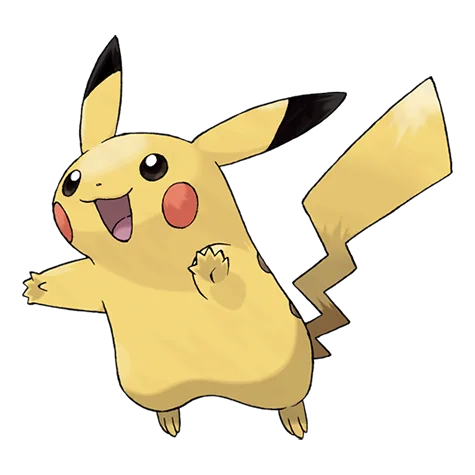
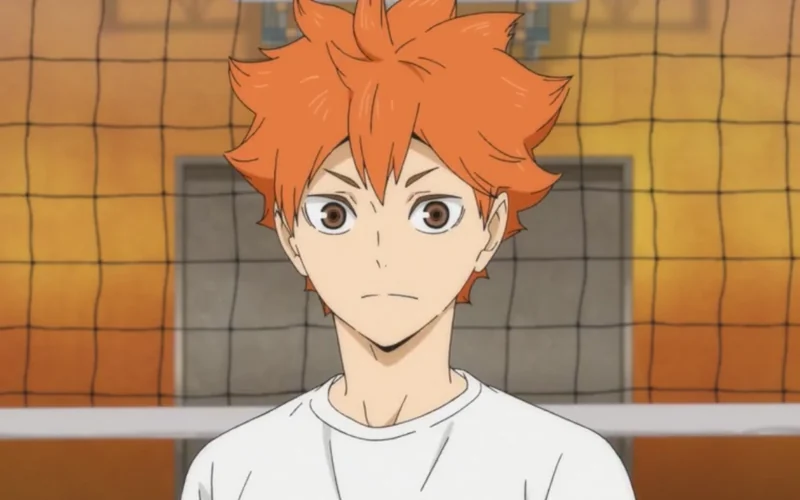
Who’s that Pokémon? Artwork appears, four names appear, eight seconds to commit. Two hundred and ten hand-tagged mons spanning every generation, from Bulbasaur to Copperajah.
Character quiz
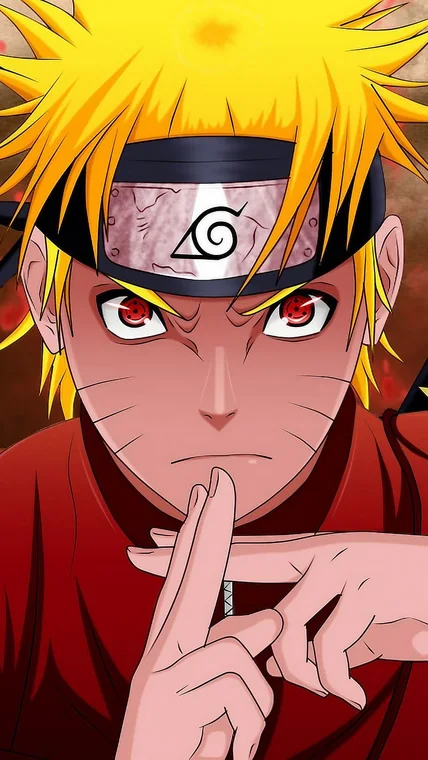
Name the shinobi before the timer bar runs red. Starts with the faces everyone knows and ends somewhere in the Boruto era, where even the die-hards start guessing.
Character quiz
Soul Reapers, Espada and the whole Thousand-Year Blood War roster, one portrait at a time. Clear it clean and you finish at Head Captain. Fumble it and you’re back at the Academy.
Character quiz
Four decades of Z fighters, Ginyu Force rejects and Tournament of Power entrants. The easy tier is nostalgia. The hard tier is GT, and it is not kind.
Character quiz
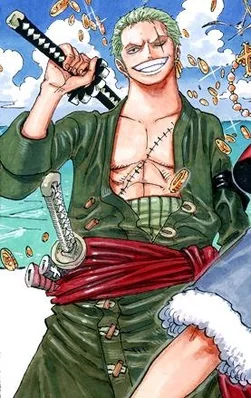
Wanted-poster framing, bounty chips and a cast that never stops growing. Straw Hats and Yonko up front, Wano and Final Saga deep cuts waiting at the top tier.
Character quiz
Four hundred and eight character pages on the wiki, and the ones you actually remember are a small slice of that. Nen users, Hunters, the Phantom Troupe and an ant king — the top tier is Election arc and Dark Continent, and it is not kind.
Character quiz
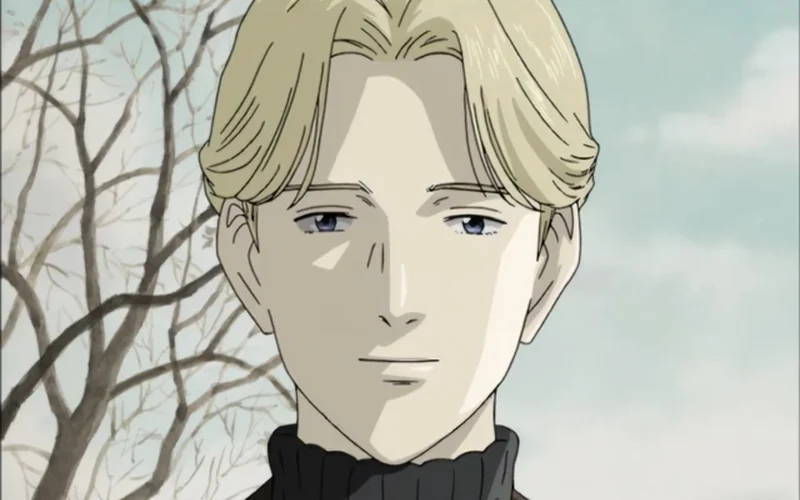
Urasawa's cast is enormous and almost nobody in it is a hero. A small wiki, which means the hard tier really is obscure — half-remembered faces from one episode in Prague.
Character quiz
A short series with a surprisingly deep bench once you count the task force, the Yotsuba board, the SPK and every shinigami with a page of their own.
Character quiz
The 104th and the Survey Corps up front, then Marley and the Warriors, then people who were eaten in a single panel. The hard tier is mostly the latter.
Character quiz
Sorcerers, curses, and the enormous cast the Culling Game dragged in. The top tier is almost entirely Culling Game players.
Character quiz
The Hashira and the Upper Ranks are the easy part. Then it becomes Taisho-era side characters, Final Selection classmates and demons with one line.
Character quiz
Nearly two hundred pages spanning the manga, Brotherhood, the 2003 series and both films — which is why the hard tier gets strange fast.
Character quiz
Four hundred and sixty-two character pages once the vigilante spin-off is counted, which is exactly where the top tier lives.
Character quiz
The hero rankings alone run to hundreds of names and the webcomic adds more. The hard tier is C-class heroes nobody has thought about since 2016.
Character quiz
Ghouls, investigators and the CCG, across :re as well. The hard tier is one-arc investigators and ghouls who lasted a single chapter.
Character quiz
Three hundred and five pages across the original series, the films and the spin-offs — and the spin-offs are where the top tier lives.
Character quiz
Five hundred pages of guild members, dark guilds and celestial spirits. The hard tier is a mage who lost one fight in a filler arc.
Character quiz
Four worlds and everyone trapped in them. The hard tier is a guild member from one floor of Aincrad.
Character quiz
Every death is a checkpoint, and the cast keeps growing anyway. The hard tier is a Lugunican noble with one arc.
Character quiz
A village, an empire and a lot of chemistry. The hard tier is a villager who appears for one invention.
Character quiz
Espers, spirits and a con man with a suit. The hard tier is a Claw member who lasted half an episode.
Character quiz
Vikings, England and one man who stops fighting. The hard tier is a Jomsviking with one battle to his name.
Character quiz
Fujimoto kills people off faster than the wiki can update. The easy tier is the poster; the hard tier is devils who lasted one chapter.
Character quiz
Everybody in this cast is lying about something. The easy tier is the family; the hard tier is Ostanian bureaucrats with one scene each.
Character quiz
Nine parts and forty years of manga. The easy tier is the JoJos and the villains you can name; the hard tier is a Stand user who lost one fight.
Character quiz
Furudate gave a backstory to opponents who appear for one set. The easy tier is Karasuno; the hard tier is a third-year from a school that lost.
Character quiz
A football manga where every character is a striker and none of them will pass. The hard tier is egoists eliminated in the first selection.
Character quiz
Half this cast is dead before the first episode and the other half will be soon. The hard tier is villagers and demons from a single chapter.
Character quiz
Two hundred and thirty-three character pages across Breaking Bad, Better Call Saul and El Camino. The easy tier is the poster. The hard tier is people who were on screen for ninety seconds.
Character quiz
Four seasons of kids, cops and Russians. The easy tier is the poster; the hard tier is people credited once and eaten shortly afterwards.
Character quiz
A cast that answers to Tokyo, Berlin and Nairobi. The easy tier is the gang; the hard tier is police, hostages and one-episode negotiators.
Character quiz
Almost everybody here is dead by the time you read this. The easy tier is Rick's group; the hard tier is a community member with one episode.
Character quiz
Six seasons from a farm in Kattegat to half of England. The hard tier is Saxon nobles and Rus warriors with one scene each.
Character quiz
Nine seasons of Manhattan law, most of it argued in a corridor. The hard tier is a client who appeared once and lost.
Character quiz
A small cast told by somebody who is lying to you. The hard tier is E Corp middle management and the Dark Army's quieter half.
Character quiz
Every student from three dojos across six seasons. The hard tier is a background sensei and a Valley kid with two lines.
Character quiz
Four seasons of laundering money in Missouri. The hard tier is a Snell, a Langmore cousin or an FBI agent with one scene.
Character quiz
Nine seasons of Miami Metro and everybody Dexter got to first. The hard tier is a victim of the week with one scene.
Character quiz
Five friends and a bar, plus everyone Ted ever dated. The hard tier is a girlfriend from one episode in season four.
Character quiz
Twelve seasons of Pasadena. The easy tier is the apartment; the hard tier is a colleague from one episode and a relative nobody remembers.
Character quiz
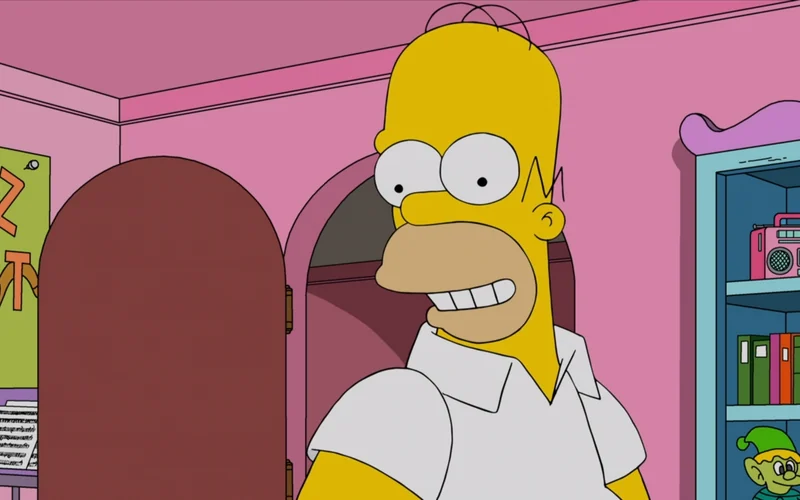
Springfield has more named residents than most real towns. The hard tier is somebody with one line in season seven.
Character quiz
Twenty-six seasons of a town of four thousand, most of whom have names. The hard tier is a classmate who has never spoken.
Character quiz
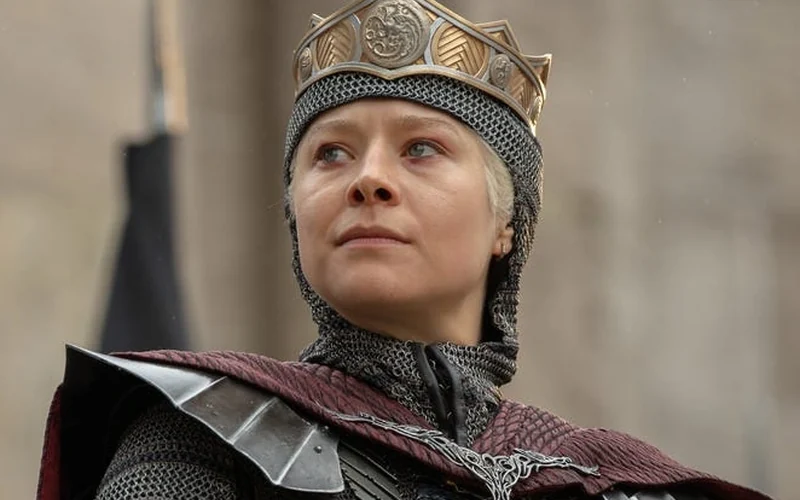
Five hundred named people across Westeros and Essos, and most of them die. The hard tier is a bannerman with one line and a bad week.
Character quiz
Everybody is a Targaryen and half of them share a name. The hard tier is a Velaryon cousin and a dragon you have heard of once.
Character quiz
Three hundred people passed through that branch. The easy tier is the talking heads; the hard tier is a warehouse worker with one line.
Character quiz
Everyone the six ever dated, married or worked for. The hard tier is a girlfriend from one episode in season three.
Character quiz
The Nine-Nine plus every perp, rival captain and relative. The hard tier is a criminal from a cold open.
Character quiz
Half this cast is an animal with a job. The hard tier is a one-scene producer who is also a seagull.
Character quiz
Vought has more supes on the payroll than the show has episodes. The hard tier is comics-only and one-scene heroes who die immediately.
Character quiz
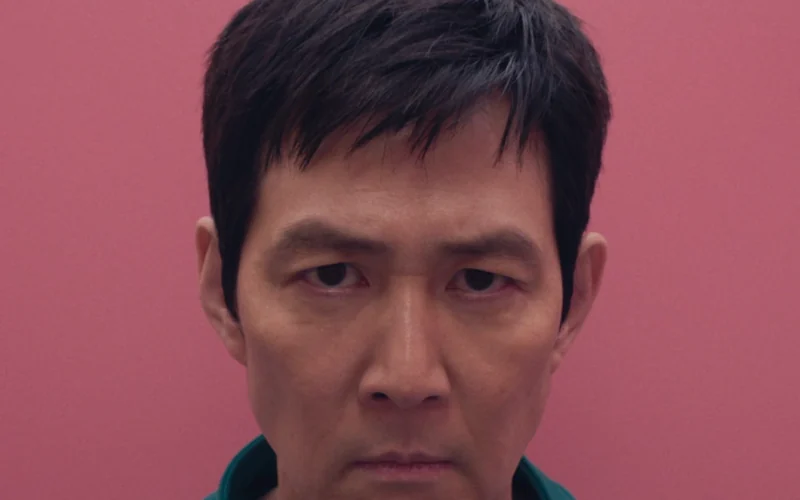
Most of this cast is a number on a tracksuit. The easy tier is the players everyone can name; the hard tier is eliminated in game one.
Character quiz
Six series of Birmingham, London and everyone the Shelbys crossed. The hard tier is a rival with one episode and a very bad ending.
Character quiz
Everyone here is also somebody else, thirty-three years apart. The easy tier is the four families; the hard tier is the far ends of the loop.
Character quiz
A cast small enough that the wiki has written properly about all of it, which makes the hard tier genuinely obscure rather than merely long.
Character quiz
Every episode invents a species and drops it. The easy tier is the family; the hard tier is interdimensional cable and a single line.
Board game
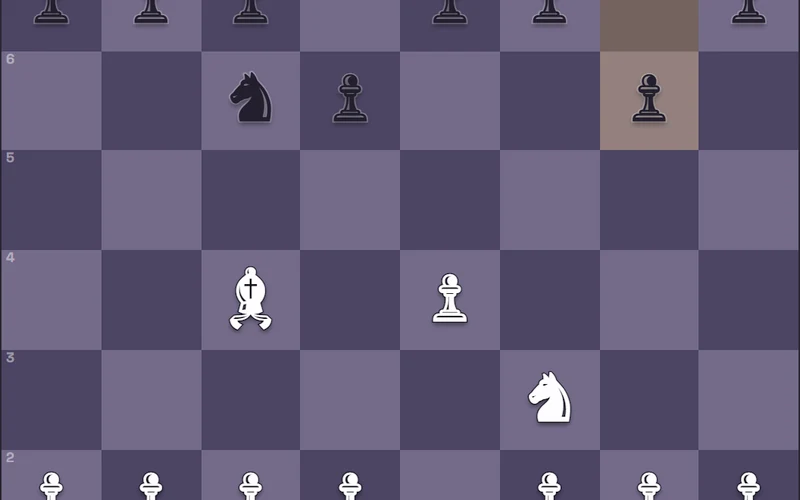
The whole rulebook — castling, en passant, promotion, stalemate, the fifty-move rule and threefold repetition. Move generation is verified by perft, so nothing is quietly missing.
Board game
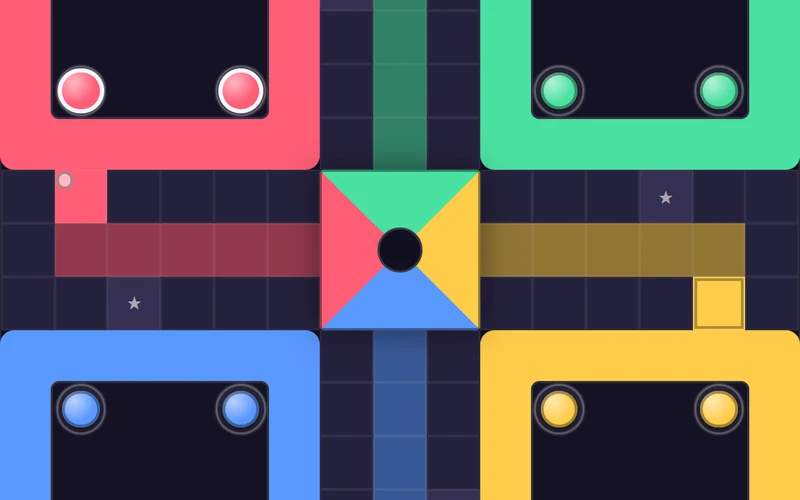
Sixes to release, stars to hide on, and the exact roll to get home. Captures send a token all the way back and buy you another turn. Three sixes in a row and you lose the lot.
Board game
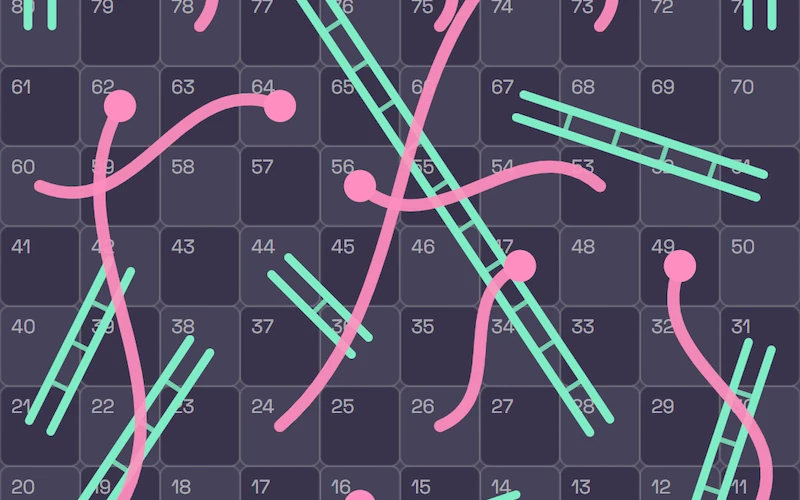
Nine ladders up, ten snakes down, two to four players. Classic is pure chance, as it has always been — but Strategist rolls two dice and makes you use one, which turns every turn into a real question. The computer answers it by solving the whole board for expected rolls to home.
Board game
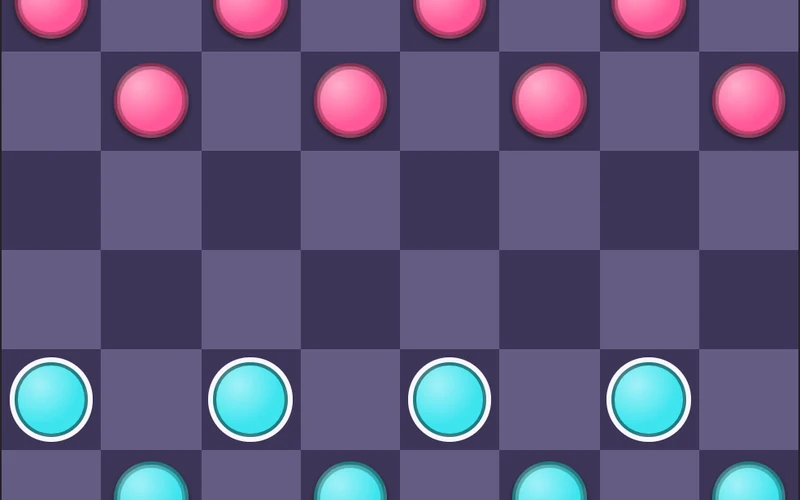
Captures are compulsory and chains have to be finished, which is where most games are actually decided. Crowning ends a jump sequence, exactly as it should.
Board game
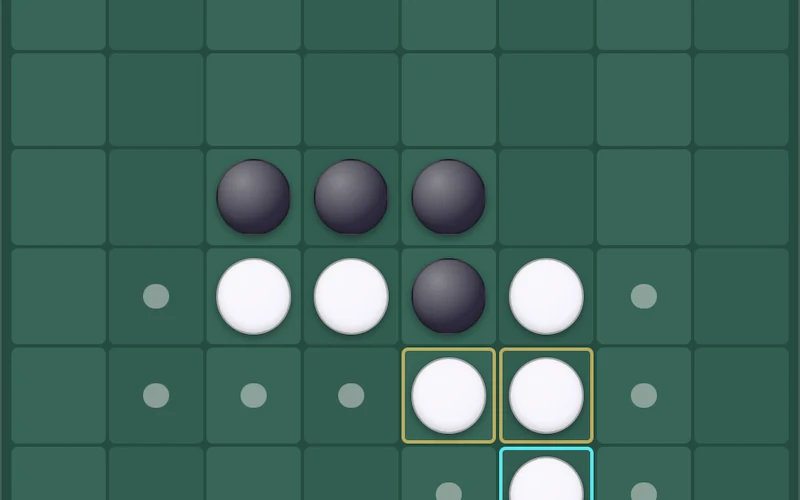
Trap a line of discs and the whole line turns. The opponent plays positionally rather than greedily, because being ahead on discs at move twenty usually means you are losing.
Board game
Five ships hidden on a ten by ten sea, and five of yours hidden from them. The Admiral does not fire blind — it counts every way your remaining fleet could still be lying and shoots wherever those counts pile up. It clears a board in about thirty-eight shots. Firing at random takes ninety-four.
Board game
Draw a line between two dots; close a square and you go again. The endgame is the real game, and Hard plays it properly — it takes all but the last two squares of a chain and then hands those back, so you are the one who has to open the next one.
Dice game
Three rolls, thirteen boxes, and every box usable once. The computer works out the exact expected value of all thirty-two ways it could hold the dice — two rolls out, that is a nested expectation, and it solves the last roll first.
Board game
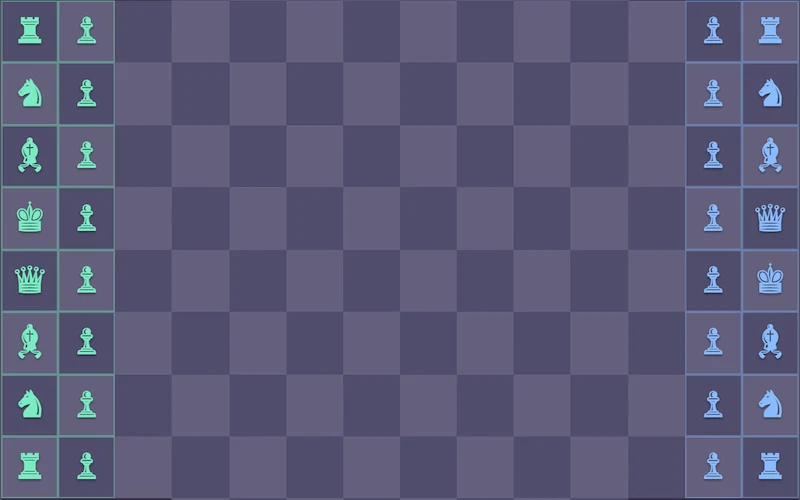
Chess.com's four-handed game on the 160-square cross: four armies, clockwise, points for every capture and twenty for a checkmate. Free-for-all or teams, with the full rulebook underneath.
Board game
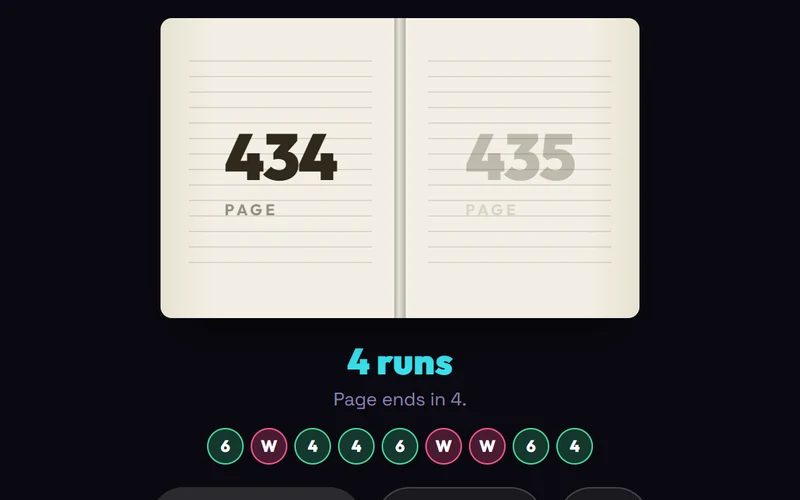
The back-of-the-classroom game, played properly. Open a book, read the last digit of the page, and zero is out — on top of real overs, ten wickets, a target and a result written the way cricket writes one.
Board game
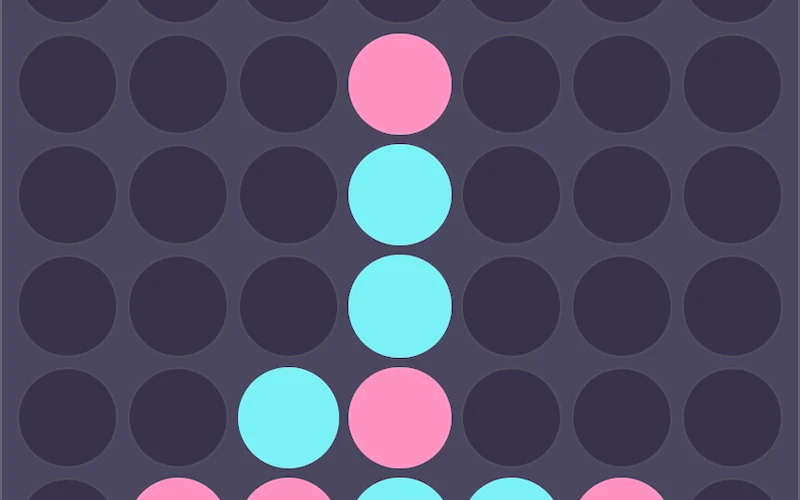
Drop discs, stack them up, land four in a line. Ruthless searches six moves deep with alpha-beta pruning and sets traps you won’t see coming.
Board game
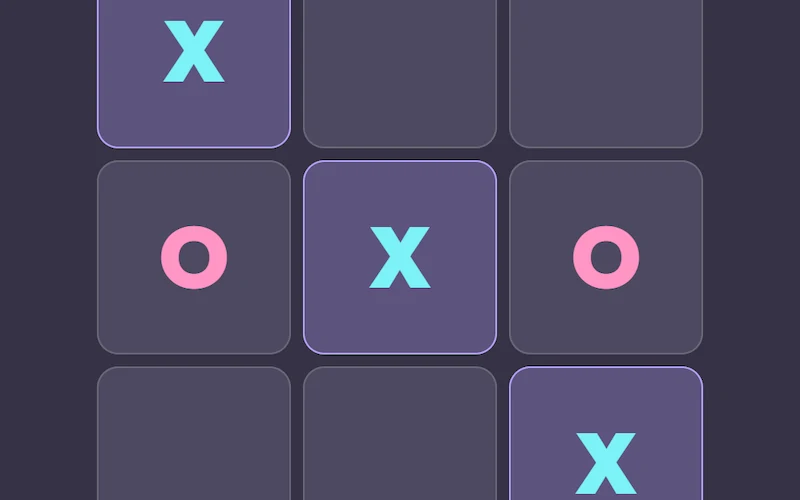
Three in a row against an opponent that solves the whole game tree. On Perfect it has never lost — a draw is the best anyone gets.
Card game
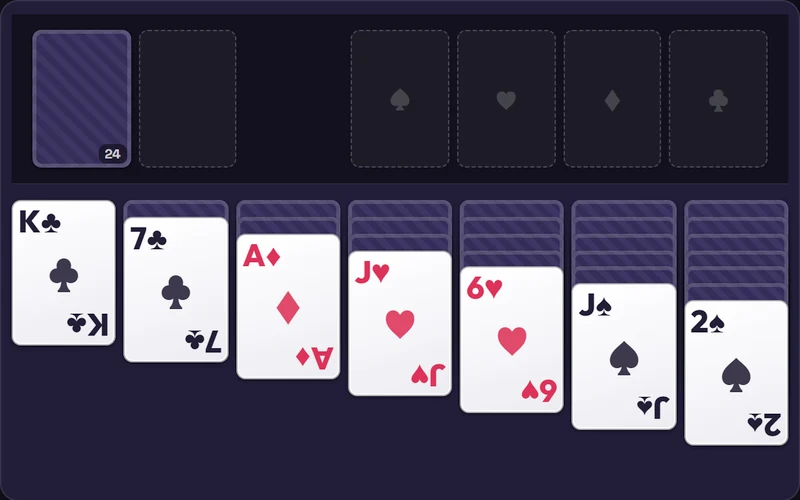
Klondike the way you remember it, with draw-one and draw-three. Tap to pick a card, tap to place it — no dragging to misfire on a phone. Unlimited undo and an auto-finish.
Card game
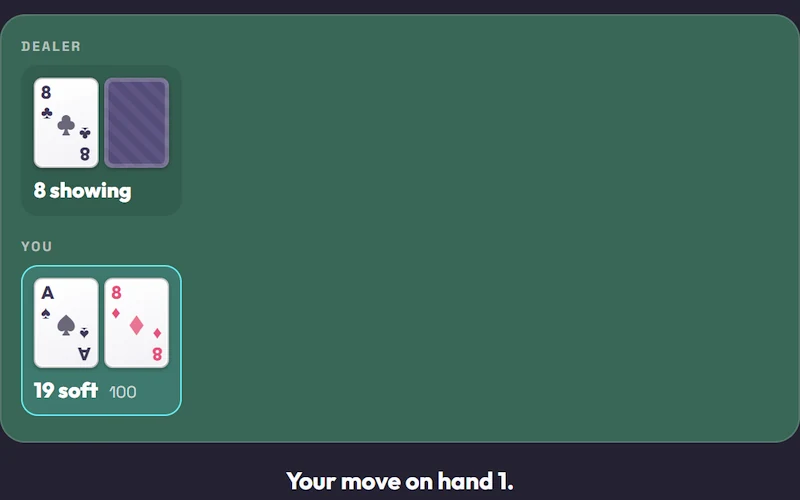
A real shoe, splits, doubles, insurance and surrender. Blackjack has exactly one correct play for every hand against every up card — so the trainer grades each decision as you make it and tells you which of your instincts are wrong. An optional Hi-Lo count runs alongside.
Card game
Higher card takes both; a tie means three face down and a fourth face up. There are no decisions in War — there never were — so this is built as something to watch: who holds what, how long it is taking, and the wars, which are the only moments anything is at stake.
Card game
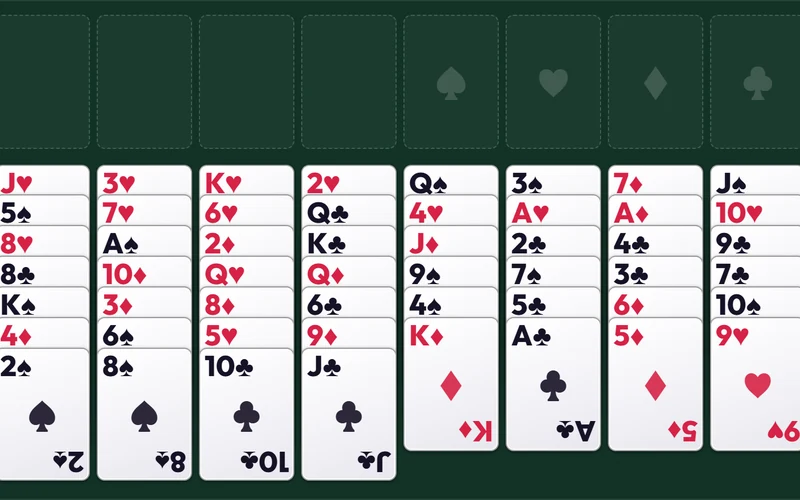
Every card face up from the start, so there is no luck left after the deal — only whether you can see the line. Every deal here is solved by a search before you get it, so it is guaranteed winnable, and the hint plays the first move of a line that actually finishes rather than one that merely looks sensible.
Card game
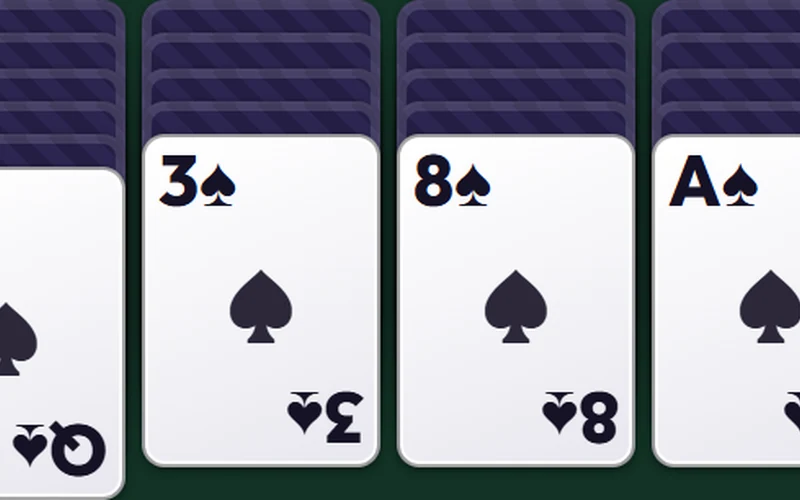
Two decks, ten columns, fifty cards still to come. Any card stacks on one a rank higher, but only a same-suit run picks up as one piece — which is why the four-suit game is brutal: almost nothing you build can be moved again.
Card game
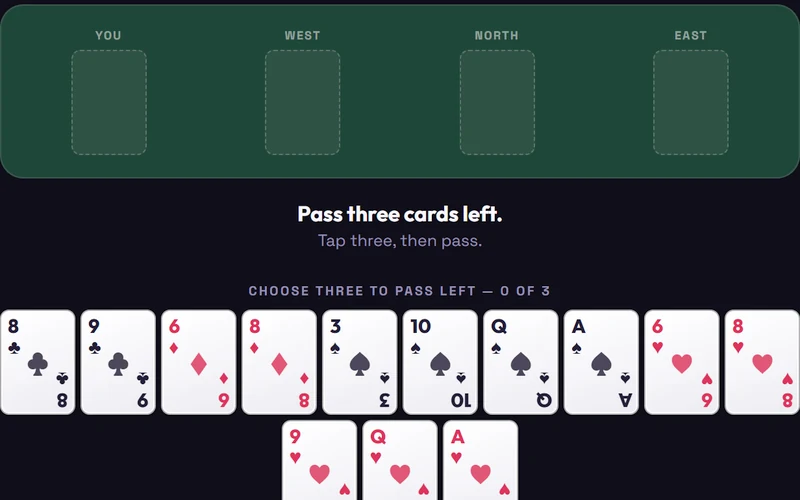
Every heart costs one and the queen of spades costs thirteen, so the whole game is losing tricks on purpose. The three opponents track who has shown void in what, duck under the trick when they can, and hand the queen over the moment it is safe. Passing, shooting the moon, all of it.
Card game
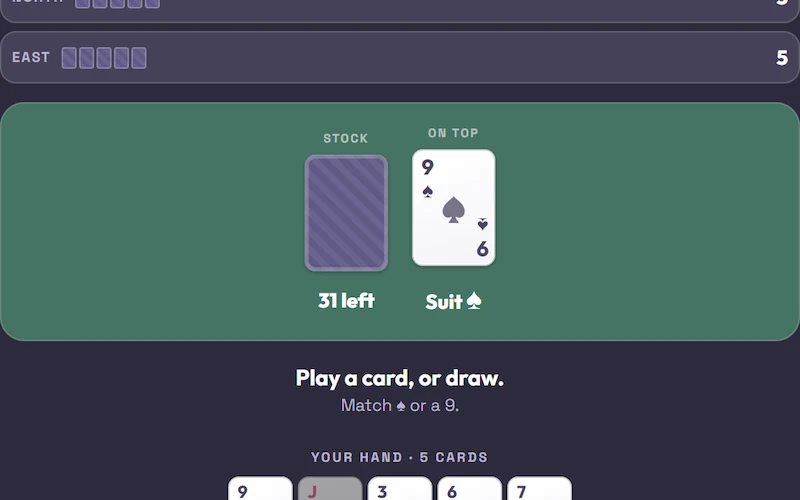
Match the suit or the rank, or play an eight and name whatever suit you like. Every time somebody draws instead of playing they have told the table what they do not hold — and these opponents write that down and play into it.

Card game
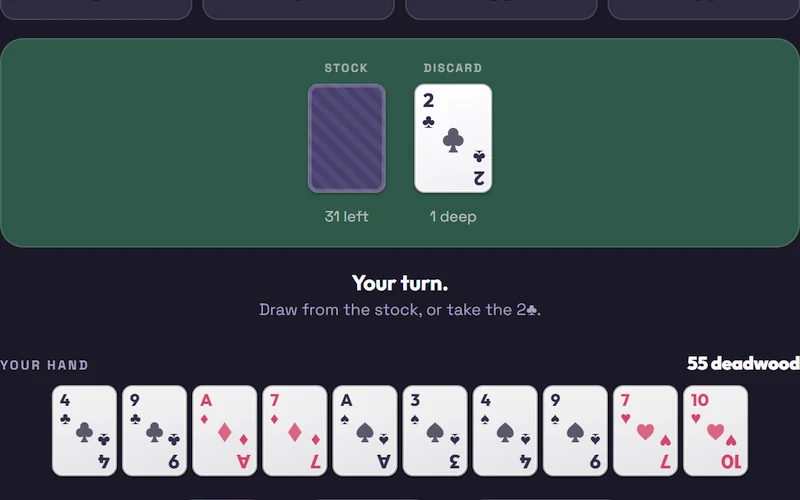
Ten cards can often be carved into melds several different ways, and only one of them leaves the least deadwood. That arrangement is searched exactly, not guessed — and the same routine reads your hand, decides what the opponent throws, and settles the hand. Knocking, gin, undercuts, lay-offs.
Card game
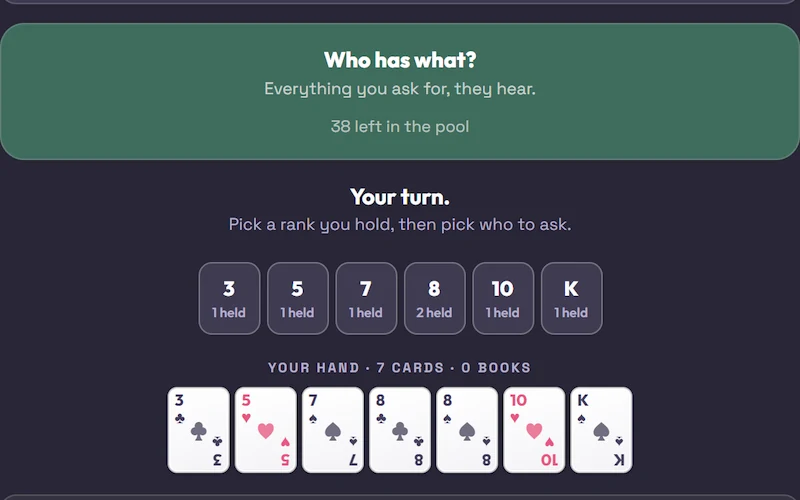
Go Fish is a memory game wearing a card game's clothes. Asking for a rank tells the whole table you hold one; being asked and having none tells them that too. These opponents keep every bit of it — who is known to hold what, who is known not to — and it is the only thing they use.
Puzzle
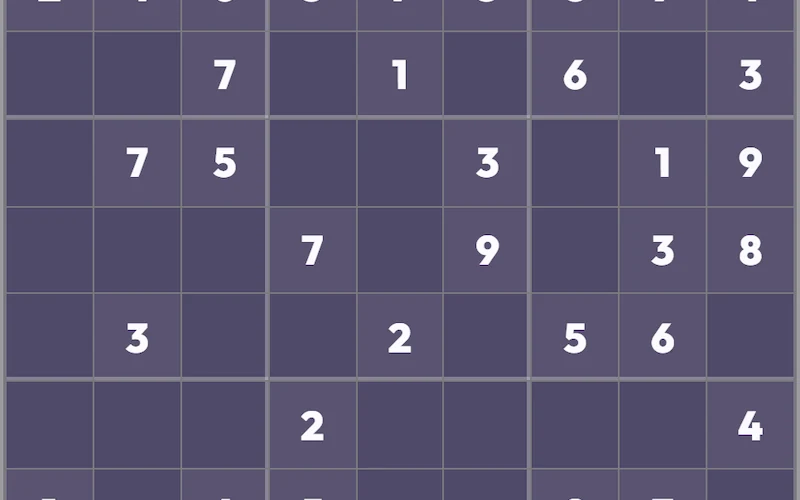
Every puzzle is generated on the spot and stripped only as far as a single solution survives. Pencil notes, hints, undo, and four difficulties down to a bare twenty-five givens.
Logic puzzle
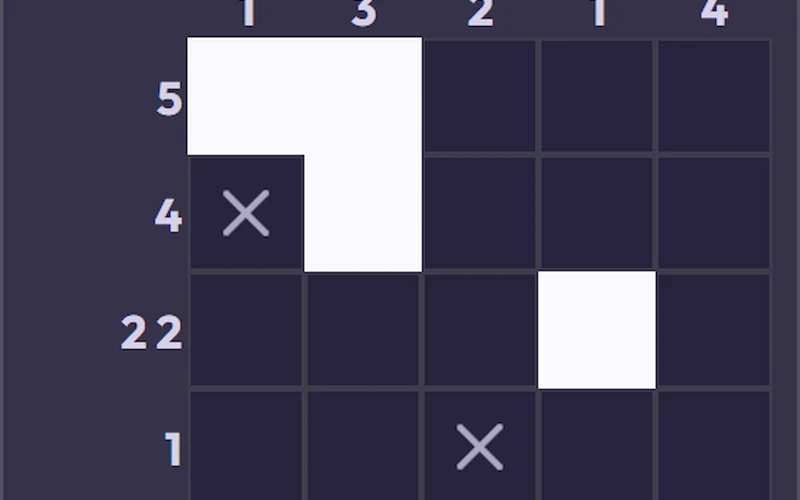
The numbers along each row and column list the runs of filled squares in it. Work out which squares they force. Every puzzle is run through a line solver before you see it, so it has exactly one answer and never needs a guess.
Arcade
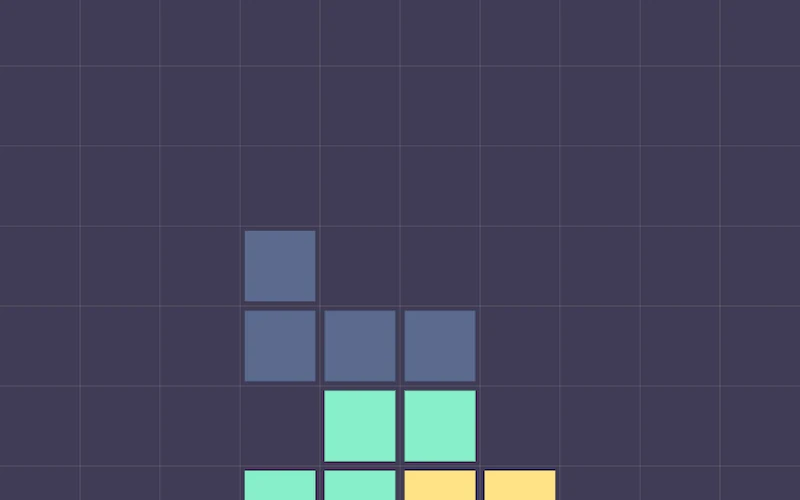
A real seven-bag randomiser, SRS rotation with wall kicks, hold, a next queue, a ghost piece and a hard drop. Start at level one, five or nine.
Puzzle
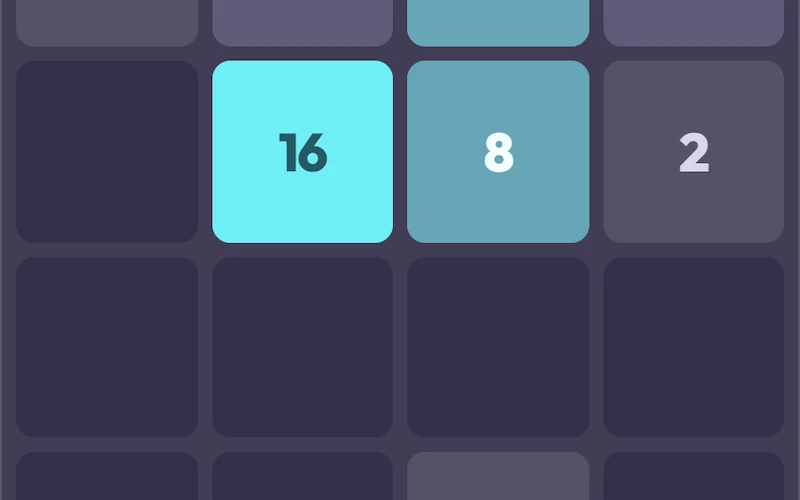
Slide the grid, merge equal tiles, keep space open. There is a one-step undo for when a swipe goes wrong, and your best score sticks around.
Puzzle
Every number counts the mines touching it. The first tap is always safe, flags work properly on touch, and chording clears neighbours in one move.
Puzzle
Flip two cards at a time and hold the board in your head. Three sizes, from a six-pair warm-up to a fifteen-pair marathon.
Arcade
Five kicks each, then sudden death — and it stops the moment one side cannot be caught, which is the rule everybody forgets. Pick a corner and a height; the keeper is reading you.
Arcade
Eleven points, win by two, and the serve changes hands every two points — every point at deuce. The paddle you hit it with decides where it goes, and the edge of it decides how much.
Arcade
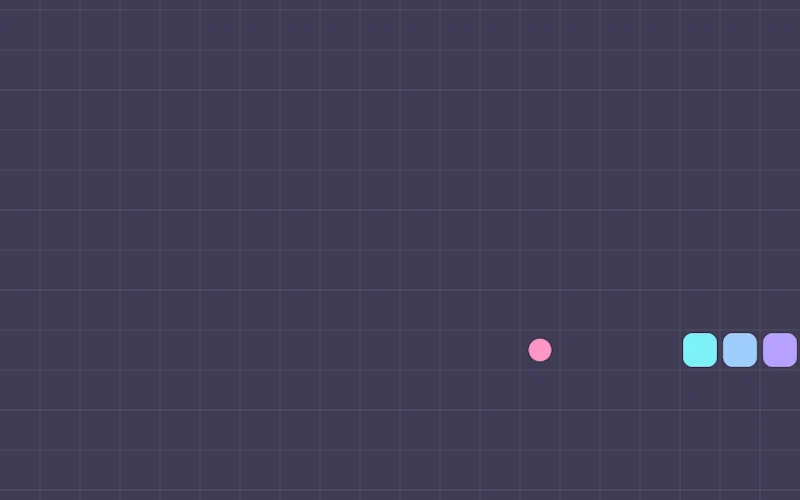
Eat, grow, and run out of room. Three speeds, an optional wall wrap, and a fixed-step loop so it plays identically on any screen.
Typing
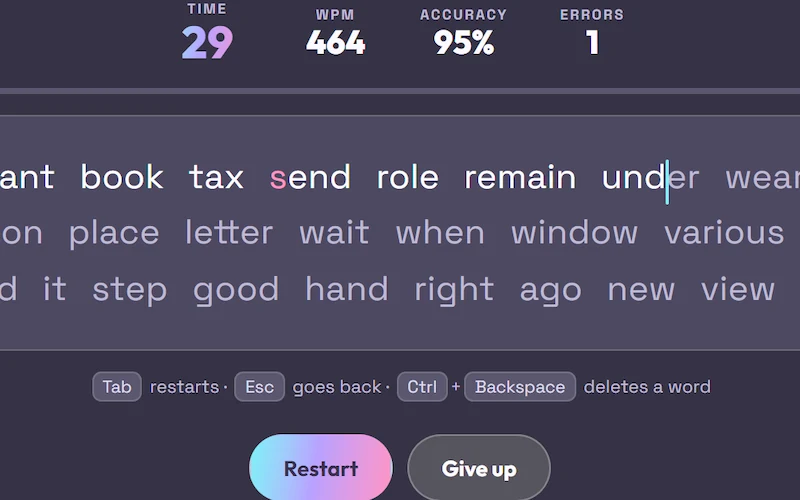
A real typing test, counted the way every typing test counts: correct characters over five, over the minutes you took, so a fast run full of mistakes does not flatter you. Race the clock, take a fixed number of words, type out a real quote, or practise the keys you keep missing — it remembers which those are. Afterwards: accuracy per keystroke, how even your pace was, a chart of your speed second by second, and the letters that cost you.
Words
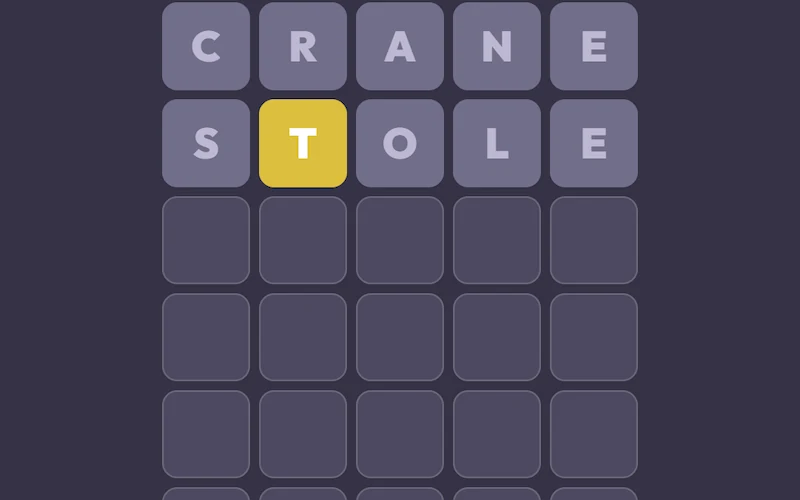
Five letters, six tries. A word of the day that is the same for everyone until midnight, an endless run, a hard mode that makes you use every clue you have found, and a round where you set the word and hand the phone over. Repeated letters are counted properly.
Words
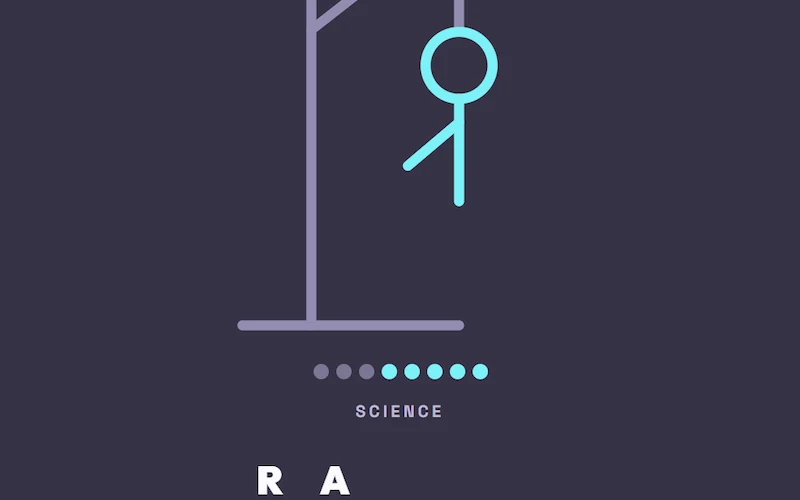
A hundred-odd words across eight categories, and the category is the only help you get. Three lengths of rope from eight wrong letters down to four, or set your own word for somebody else.
Words
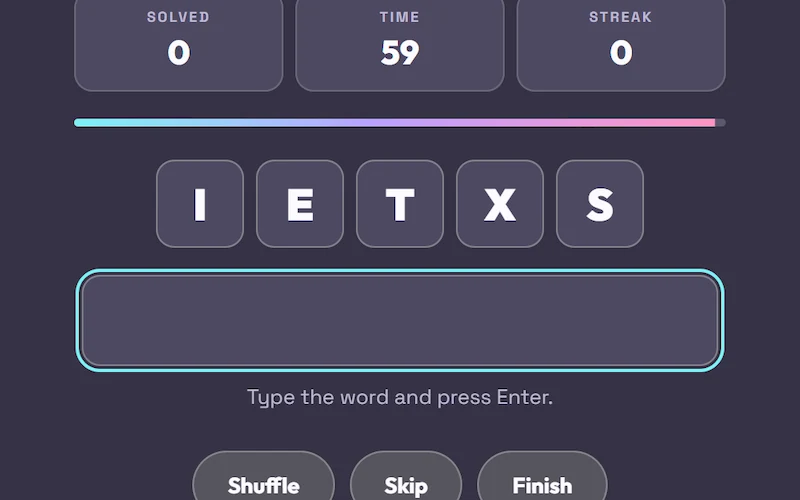
Five letters in the wrong order and a clock. Any real word made of exactly those letters counts, not only the one the puzzle started as — so SPARE, PARES and REAPS are all fine.
Words
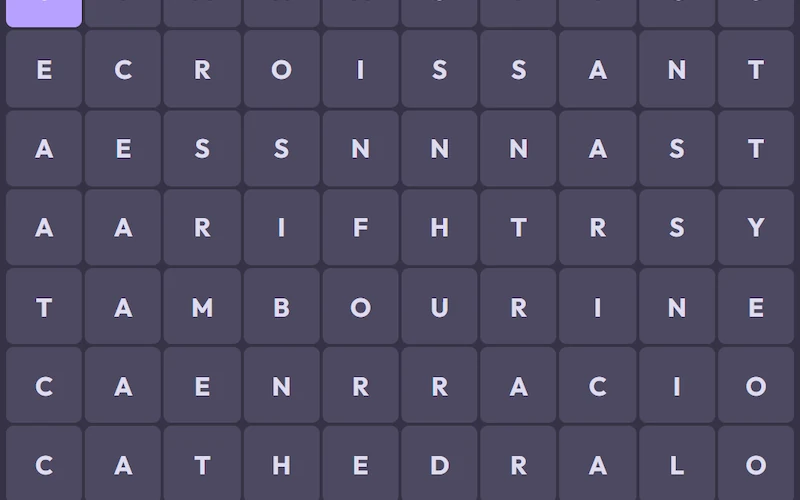
A grid built from scratch every time, from ten by ten up to sixteen by sixteen, with diagonals and backwards words on the harder ones. Drag across a word to take it; the filler letters are drawn from the words themselves so nothing stands out.
Words
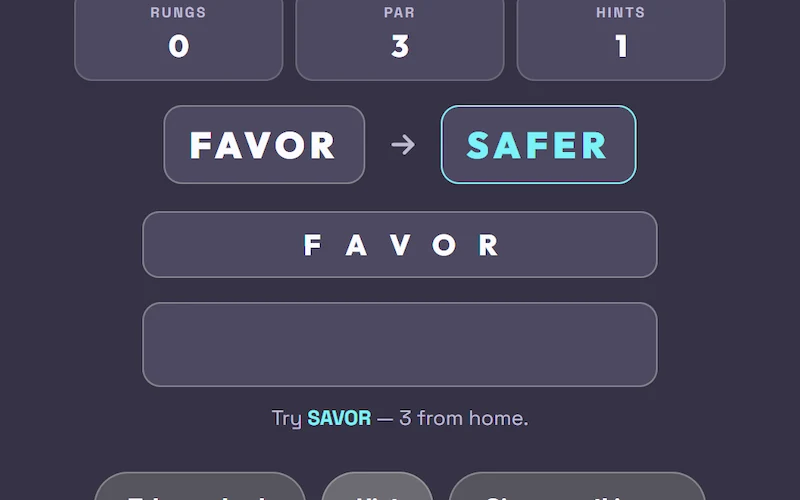
Climb from one word to another, changing a single letter at a time and landing on a real word every rung. The shortest route is worked out before you are handed the puzzle, so every ladder can be climbed — and that route is what par is.
Words
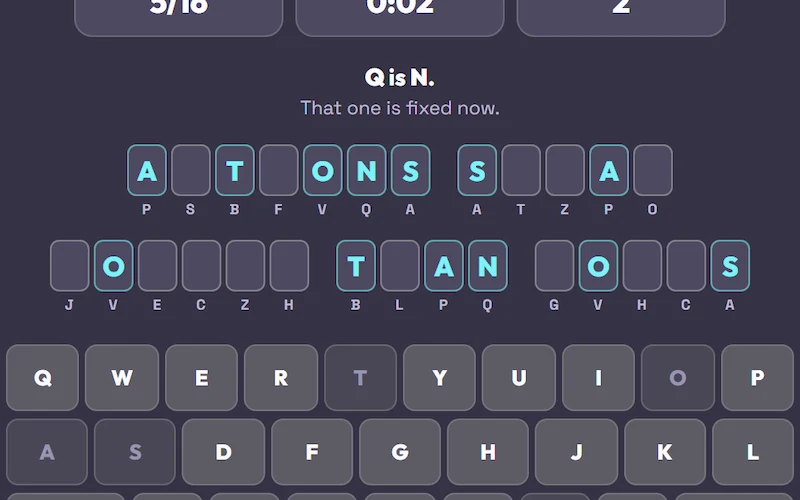
Every letter of a well-known saying has been swapped for another one. Work out which is which. No letter ever stands for itself, so a square is never the letter printed under it — and a letter you write somewhere new leaves wherever it was.
Words
Three words belong together and one does not. Eight groups — animals, food, places, sport, music, everyday things, science, weather — and exactly one right answer every round, which the game checks rather than hopes.
Memory
The pads light up in order and you tap them back. One more every round, and it speeds up as it goes. Four pads or six, a strict fast mode, and a two-player round where you each add one to the end.
Reflex
Four short tests: tap the moment the light turns green, thirty seconds of targets, a colour trap that fights your reading, and one to twenty-five in order against the clock. Tapping early counts against you.
Numbers
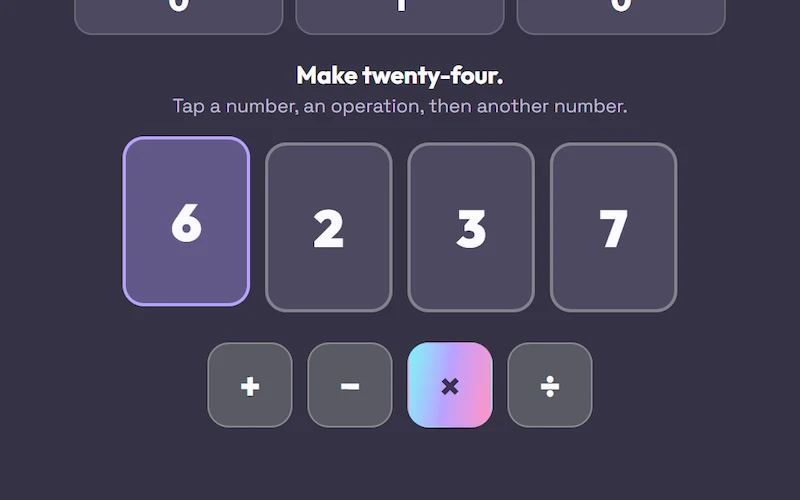
Four numbers, four operations, each number used once: make twenty-four. Every deal is solved by the game before you see it, the arithmetic is exact rather than floating point — so 8 ÷ (3 − 8⁄3) really is 24 — and the hint works from wherever you have got to.
Numbers
The fifteen puzzle and its cousins, from three by three up to five by five, or letters instead of numbers. Tap a tile further down the row and the whole line slides. Every shuffle is made by sliding, so you are never handed one of the half that cannot be solved.
Numbers
Sixty seconds of arithmetic in your head, from adding up to percentages and squares. Every answer is a whole number and never below zero, so there is nothing you cannot type, and the ones you missed are listed at the end.
Deduction
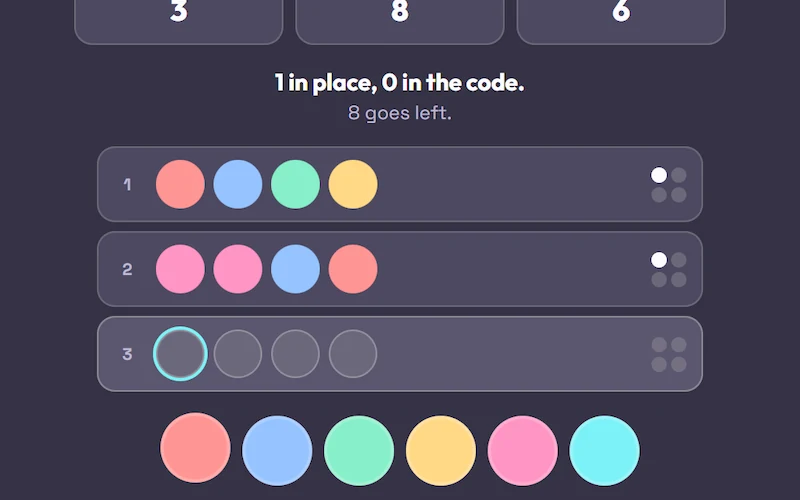
Mastermind. Four hidden colours; a black mark for a peg that is right and in the right place, a white one for the right colour somewhere else — one mark per peg, so two reds against one red earns one. Or hide a code and watch Knuth's method break it, which it does in five goes or fewer, every time.
Dice
Roll as often as you dare; a one takes the whole turn's pile with it. First to a hundred. The hardest opponent is not a rule of thumb — the page works out, for every pair of scores, whether rolling or holding wins more often, and plays that.
Pattern
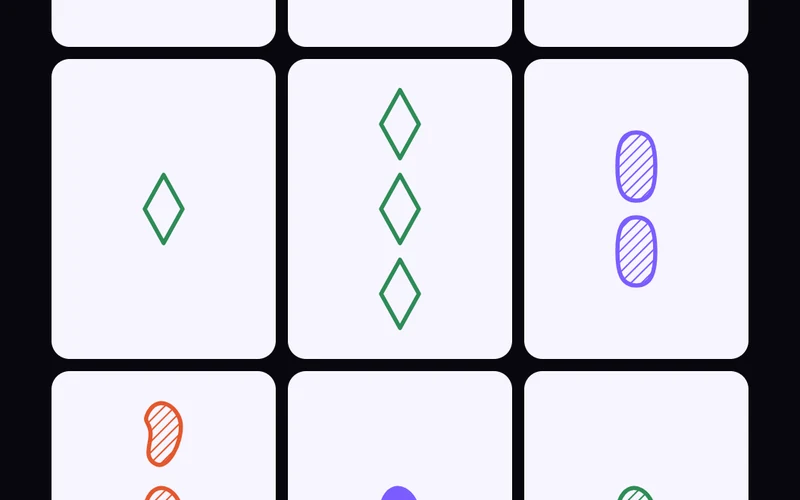
Eighty-one cards; each has a number, a colour, a shape and a filling. Three make a set when every one of those four is all the same or all different. Any two cards have exactly one card that completes them, and the whole deck holds one thousand and eighty sets.
Geography
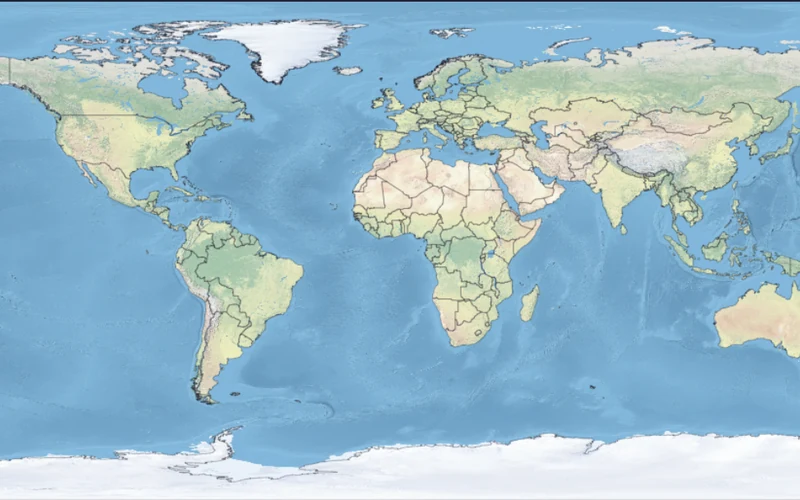
Real shaded terrain from real elevation data, and real borders. Guess where a piece of the world is and be scored on how many kilometres out you were, name a country or a province from its outline, or find a country on the map. Two hundred and fifty-eight countries, four and a half thousand provinces, four hundred places — every byte of it stored here.
Astronomy
Thirty-seven real photographs from NASA's public domain library — planets, moons, nebulae, galaxies, the missions that went there. Name what you are looking at, say which of two worlds is wider, put four in order by size or by distance, or work out which place a fact belongs to. Artists' impressions were filtered out on the way in: if it is in here, somebody photographed it.
History
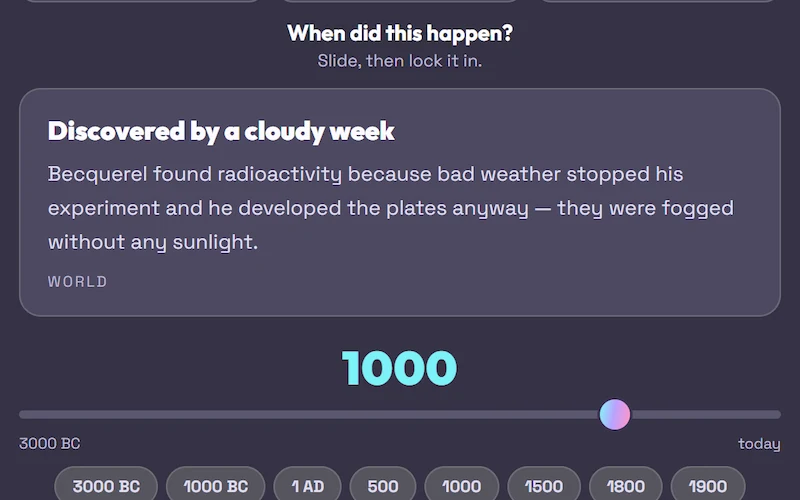
Two hundred and eighty-eight true things with a year attached — the Indus drains, the Chola villages that elected their councils by palm-leaf ballot, Baldwin the leper king winning a battle at sixteen, the seven prisoners in the Bastille. Slide a dial to guess when something happened and be scored on how close you are, put four events in order, work out which period a story belongs to, or just read the whole file.
Chemistry
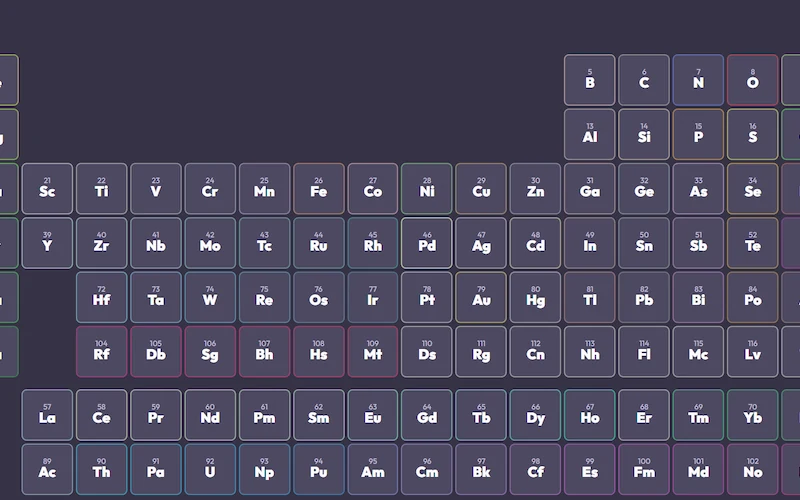
All hundred and eighteen elements with their real numbers from PubChem — mass, melting point, electron configuration, the lot. Find an element on the chart, work out what a symbol stands for, say which family it belongs to, or pick the heavier atom. Where the box sits on the chart is worked out here, including the two rows every classroom chart prints underneath.
Physics
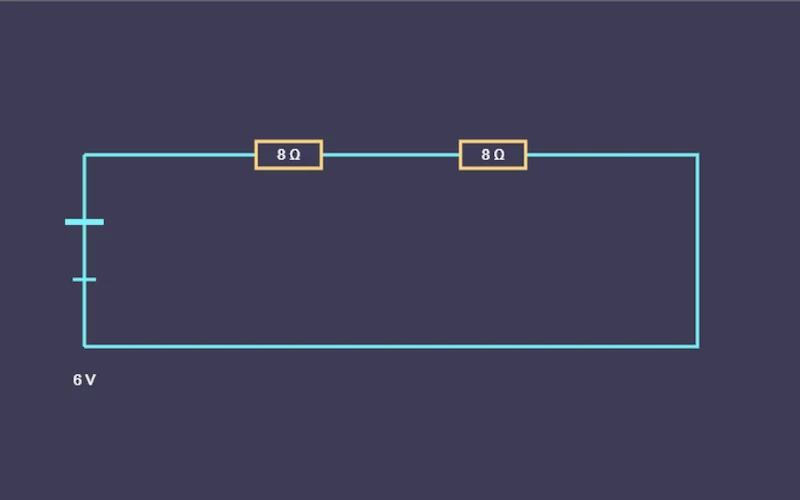
Four problems with the real equations behind them: fire a cannonball at a target, tune a pendulum to a given period, read the current through resistors in series or parallel, and move an object until its image lands where you want it. Nothing is faked for effect, and the working is shown after every round.
Politics
A hundred and ninety-seven capitals, ninety-four systems of government, sixty-six faces and a hundred and eighteen questions about the machinery itself — what a money bill is and who decides, how a constructive vote of no confidence works, why proportional representation produces coalitions, and which countries have no written constitution at all. Half of it is Indian polity, because that is what gets taught. The wrong answers come from the same continent, so it is a question rather than a formality.
Science
How big, how long ago, and how it works. Put a proton, a red blood cell and a blue whale in order of size — the range runs from a proton to the Sun, a factor of eight hundred thousand billion billion. Order the Big Bang, the first life and the asteroid. Say what the liver does. Work out why ice floats and why a hammer and a feather land together.
Most browser game sites make you wade through an install prompt, a cookie wall and three ads before the first frame. Playfellas doesn’t have any of that to wade through.
Every game is one self-contained page. Tap a card and it opens — nothing lands on your storage, nothing asks for permissions.
No sign-up wall, no tracking pixels, no video that interrupts a round. You came here to play, so the site lets you play.
Designed mobile-first and tested on cheap Android hardware. Big answer targets, full-screen rounds, no accidental taps.
Questions and answer options reshuffle every round, and the quiz rosters are pulled live — so memorising the order gets you nowhere.
Five character quizzes, a typing brawler, seven board and card games and six puzzles. Nothing is locked, nothing needs unlocking — every card is live from the first visit.
Three tiers per game. The bottom tier is the cast on the poster; the top tier is where the fandom argues about who that even is.
Eight seconds a question, fifty questions a run. Keys 1–4 work on desktop. You finish on a letter grade from S down to F.
Playfellas is made by Alakshit Pradhan — an independent developer from India. Every game here is hand-written HTML, CSS and JavaScript. No engine, no framework, no template, no build step. The whole arcade is a handful of files you could read through in an afternoon.
A project by
Small, fast things for the browser. No account, no ads, nothing to install.
ABS Studio is where these get built — small web things that open fast, work offline, and ask nothing of you. Every one of them is a static page you could save to a folder and still use. Nothing tracks you, nothing costs anything, and there is no sign-up anywhere.